
.svg)
The Impact of Drones on Sustainability
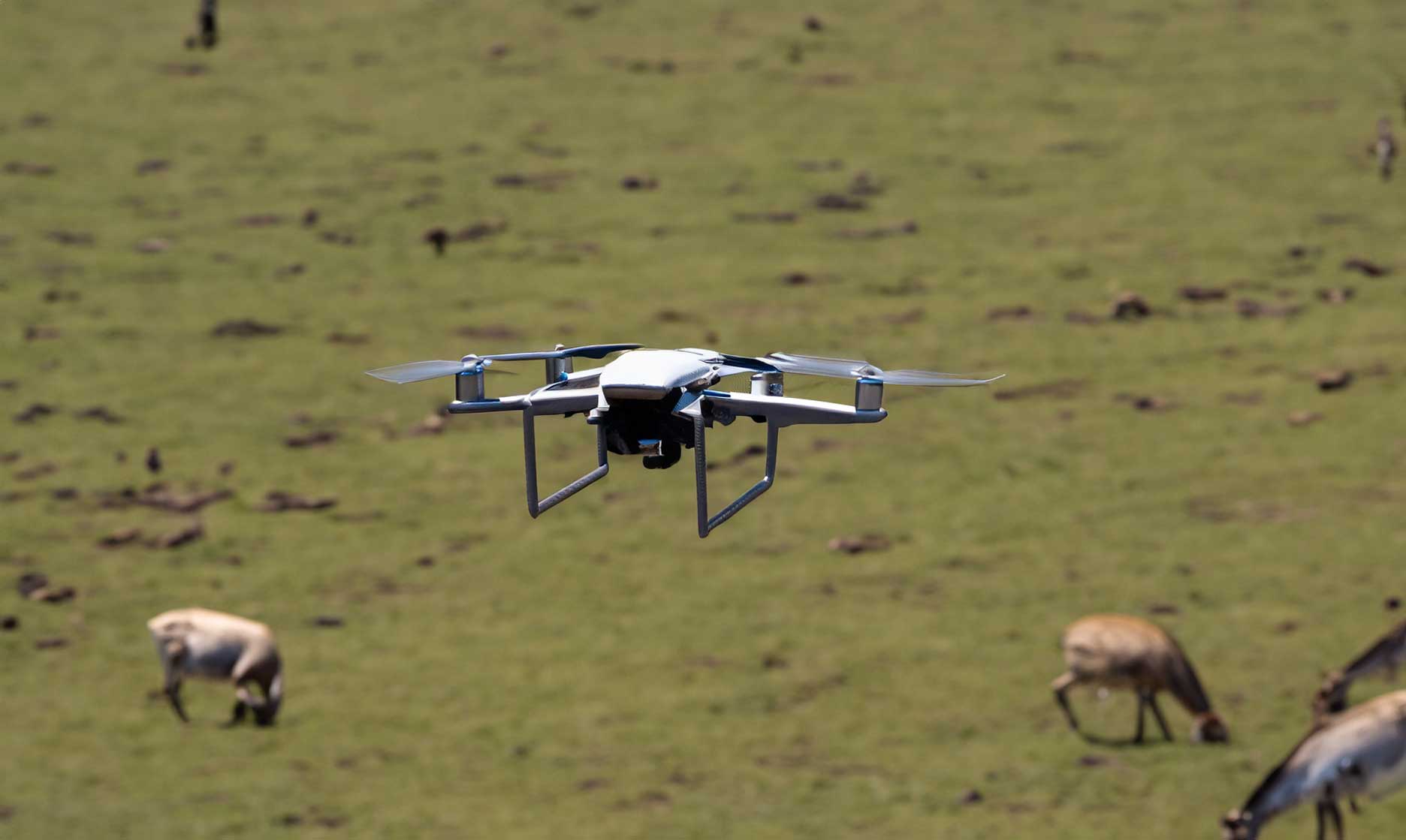

Drones are transforming sustainability efforts across multiple sectors — from agriculture and construction to energy, logistics, and environmental protection. Their ability to capture high-quality data, automate inspections, and reduce resource waste is helping industries operate more efficiently while minimizing environmental footprints.
Sustainability is no longer just about conservation; it’s about using technology to make smarter, faster, and greener decisions. Drone technology stands at the forefront of that movement.
Environmental Monitoring
One of the most significant contributions of drones lies in their ability to monitor ecosystems and natural resources. High-resolution aerial imagery and sensor data help scientists, governments, and organizations better understand and manage environmental changes.
How Drones Support Environmental Efforts
- Forest and wildlife tracking – Identify deforestation patterns, track animal populations, and monitor reforestation projects.
- Coastal and marine observation – Map shorelines, coral reefs, and detect pollution or erosion.
- Water quality and pollution detection – Thermal and multispectral sensors can detect chemical leaks or algal blooms.
- Disaster response – Provide real-time aerial views after floods, fires, and hurricanes to assess damage and guide relief.
By providing a safer and more cost-effective way to gather data, drones allow sustainability teams to act faster — and more precisely — than ever before.
“Drones are essential for modern sustainability efforts,” says environmental analyst Maria Lopez. “They give us eyes in places we could never reach before — and that visibility drives accountability.”
Reducing Carbon Footprint Through Efficiency
Unlike traditional monitoring and transportation methods, drones require minimal fuel or energy, especially when powered by batteries or solar panels. Their use helps reduce:
- The need for manned flights or vehicles in data collection.
- On-site visits, cutting down on emissions from travel.
- Time and resource waste in inspections and maintenance operations.
For example, wind farms now use drones for blade inspections, avoiding cranes, heavy trucks, and lengthy shutdowns — all while preventing additional emissions.
Applications Across Industries
The versatility of drones makes them a key sustainability tool across sectors:
Agriculture
- Enable precision farming, optimizing water and fertilizer use.
- Identify stressed crops early, improving yields with fewer inputs.
Energy and Infrastructure
- Inspect solar panels, pipelines, and power lines efficiently.
- Reduce safety risks and operational downtime during maintenance.
Construction and Urban Planning
- Map terrain and measure land impact before building.
- Support eco-conscious site planning and waste reduction.
Future Trends in Drone Technology
As drone innovation accelerates, new trends are shaping their sustainability potential:
- AI-Powered Analytics – Real-time analysis of aerial imagery for faster decision-making.
- Solar-Powered Drones – Extended flight times with zero emissions.
- Autonomous Swarm Mapping – Multiple drones working together to cover vast areas with minimal energy use.
- Integration with IoT Networks – Combining drone data with on-ground sensors for comprehensive environmental insights.
These technologies are paving the way for smarter climate strategies, better resource management, and more transparent sustainability reporting.
Looking Ahead
The impact of drones on sustainability will only continue to grow. As hardware becomes more efficient and software more intelligent, drones will evolve from data collection tools to autonomous environmental stewards — capable of real-time analysis, predictive modeling, and automated conservation actions.
In the near future, we can expect drones to play an even greater role in:
- Reforestation efforts through automated seed planting.
- Carbon emission tracking across industrial sites.
- Smart city planning using data-driven insights to reduce waste and energy consumption.
Conclusion
Drones are not just changing how we see the world — they’re helping us protect it. By combining technology, sustainability, and innovation, drone systems are guiding industries toward a more responsible, data-driven future.
“The future of sustainability isn’t just green — it’s airborne.”